


Introduction

Artificial intelligence has come a long way from being a niche pursuit at the edges of research and development. Within only a few years, it has transformed from being an experimental technology to being a mainstream business tool with billions of dollars in investment being poured into its development and adoption. This article will provide readers with a deep dive into this growth, exploring the numbers, the industries involved, and what the future holds for the field.
A Technology That Grew Faster Than Anyone Predicted
AI technology has grown extremely rapidly within just a few years of the introduction of generative AI. The market for these technologies has grown from nothing in November 2022 to $67 billion in annual revenue by 2026, being one of the fastest categories of all time. Notably, the overall size of the global AI market has been estimated to be worth $600 billion in 2026, with projections suggesting it could balloon to well over $3.6 trillion by 2033. The chairman of graphics chip giant Nvidia, Jensen Huang, has described the current moment in the technology’s growth as the start of a new industrial revolution. Due to variations in the figures due to the use of different methods by various research agencies, one thing is certain: AI has become a dominant force in the world economy.
From Experiment to Everyday Tool: The Adoption Boom
Perhaps the most surprising part of the recent developments in the field of artificial intelligence is the rate at which it has been adopted by businesses. Enterprise-level AI adoption has grown to approximately 72 percent in 2026, up from 55 percent in 2024 and 35 percent in 2022. In other words, the percentage of enterprises that have adopted at least one form of this cutting edge technology and incorporated it into their operations has increased tremendously over the last two years.
What does this boom in enterprise-level adoption mean? It means that businesses have overcome their initial hesitations about the technology and are now incorporating it into their operations with confidence. The most common applications of enterprise-level artificial intelligence, (at least according to businesses), are not necessarily those that make revenue directly but those that make operations more efficient and effective. Perhaps this is why, despite the overall growth, enterprise-level revenues were only generated by a small percentage of companies that utilized AI technologies. Companies with fully implemented AI technologies were almost four times as likely to report revenue from these technologies than those that were simply testing them out, and almost three-quarters of the profits from artificial intelligence belong to just a fifth of the organizations utilizing it. In other words, while adoption rates are high, the rates of successful implementation are even higher.
Read more:AI-Powered Translation and the Future of Languages
Industry by Industry: Where AI Is Making Its Biggest Mark
The industries utilizing AI technologies have accepted them at different rates, with some embracing their potential and others being slow to incorporate them into their operations.
Overall, technology and financial services appeared to be most receptive to the power of AI, with technology companies reporting almost 92 percent adoption of these technologies and financial institutions adopting them at a close second with 85 percent. Notably, the banking system has been one of the biggest beneficiaries of the power of artificial intelligence, with almost three-quarters of chief financial officers reporting that they intend to boost technology spending within the next two years. The telecommunications industry appears to be on a similar trajectory, with 66 percent of telecommunication companies having adopted artificial intelligence technologies already, up from just 41 percent in 2023 and 49 percent in 2024. Finally, healthcare will benefit greatly from these technologies in the coming years as it is preparing to become one of the fastest growing industries in terms of the use of artificial intelligence.
The Money Behind the Momentum
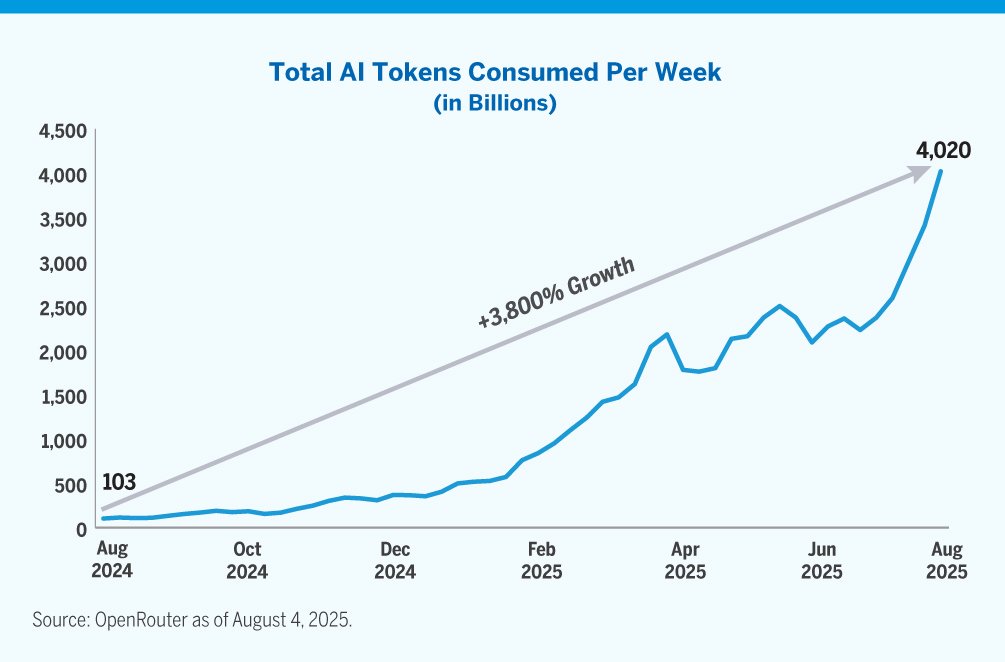
Of course, it is no surprise that the kind of adoption rates and implementations that we see today would not be possible without a great amount of financial investment. In fact, generative AI technologies alone attracted an estimated $170.9 billion in private investment in 2025 a jump of over 400 percent — while overall AI software spending is projected to rise from roughly $283 billion in 2025 to more than $450 billion in 2026.
It is also worth noting that the popularity of AI is a truly international phenomenon, with some of the fastest growing markets for it being emerging economies such as India, which is growing at an impressive rate of around 41 percent, Brazil, which is not far behind at 37 percent, and Indonesia, which is right there at 35 percent. This is due to both increased technology spending by enterprises and a push by governments to develop artificial intelligence technologies.
Why the Growth Feels So Different This Time
As incredible as the boom in the popularity of artificial intelligence may be, it is important to examine why this growth rate is so much more rapid than that of other technologies of the past, including the internet. For one, unlike previous major innovations in technology which needed specialized skills to use, generative AI is extremely accessible, and can be used by almost anyone, including those without any technical expertise. This has been a huge boon to the adoption of this technology, both in general and at the enterprise level, with the latter reaching a staggering 65 percent within three years after the launch of ChatGPT, the fastest ever enterprise technology adoption in history.
Many people in the technology industry are quick to admit they thought that the recent developments in artificial intelligence were incredibly profound and different from anything the world had ever seen. Google CEO Sundar Pichai described artificial intelligence as more profound than, “I dunno, electricity or fire.” Many may disagree with this assessment, but there is no doubt that the potential applications of artificial intelligence have made it a huge priority for governments and businesses.
The Challenges That Come With Explosive Growth
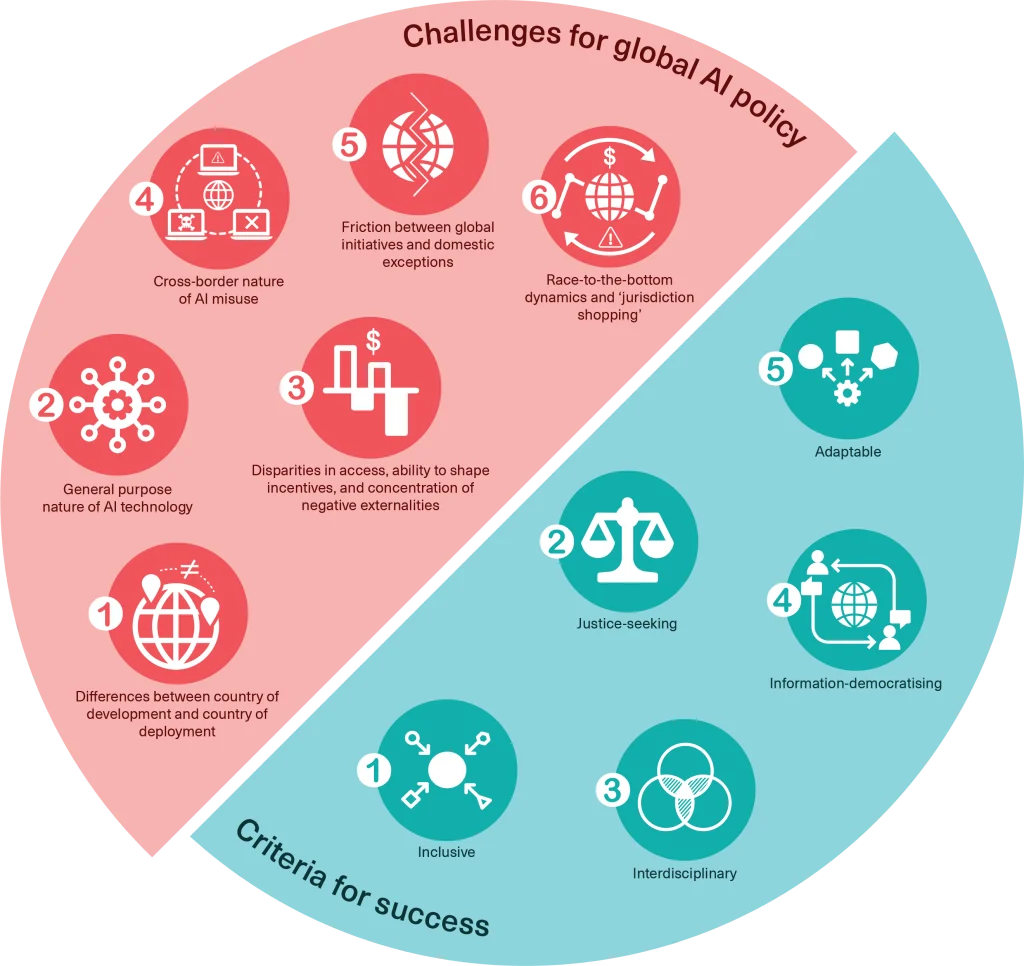
Of course, any rapid increase in popularity and utilization comes with its challenges, and artificial intelligence is no exception. One of these issues is the question of who controls the artificial intelligence economy and whether this economy is accessible to everyone or just those at the top of the hierarchy. While it takes millions of dollars to effectively utilize these technologies (for example, to train a single AI model that is at the forefront of the industry), small-time businesses and even large corporations that are not as well-established find themselves at a disadvantage, unable to utilize these technologies to the same extent as those who can afford to invest greatly into them.
Perhaps an even bigger concern is the question of whether artificial intelligence will take away jobs, and if so, how many. Even Jensen Huang has admitted that while he is optimistic about the potential for artificial intelligence to boost the global economy, it is also extremely disruptive, with some jobs being eliminated, but “one thing for sure, every job will be changed as a result of AI.” Other industry watchers are not as optimistic, predicting that white-collar jobs will be particularly vulnerable to being replaced by artificial intelligence in the near future. This issue will inevitably affect the future of the artificial intelligence industry, possibly accelerating its growth or at least altering its course.
Looking Ahead: What the Next Few Years Might Bring
If the trends that we see today continue to follow the same pattern, it is safe to assume that the artificial intelligence industry will only continue to grow exponentially. Some experts have even predicted that global spending on artificial intelligence will reach around $2.59 trillion in 2026 alone, with the spending growth for this period reaching a staggering 47 percent. The overall AI market is also predicted to grow at almost 19 percent per year through 2035. Multimodal systems, which allow for the use of more than just text for communication with AI, are also predicted to become the norm rather than the exception in the years to come.
Conclusion
The growth of artificial intelligence that we witness throughout this article is truly unprecedented. What was formerly a niche technology has now become one of the most valuable and popular technologies in human history with billions of dollars invested into new innovations and enterprise applications being developed all the time
