

Introduction
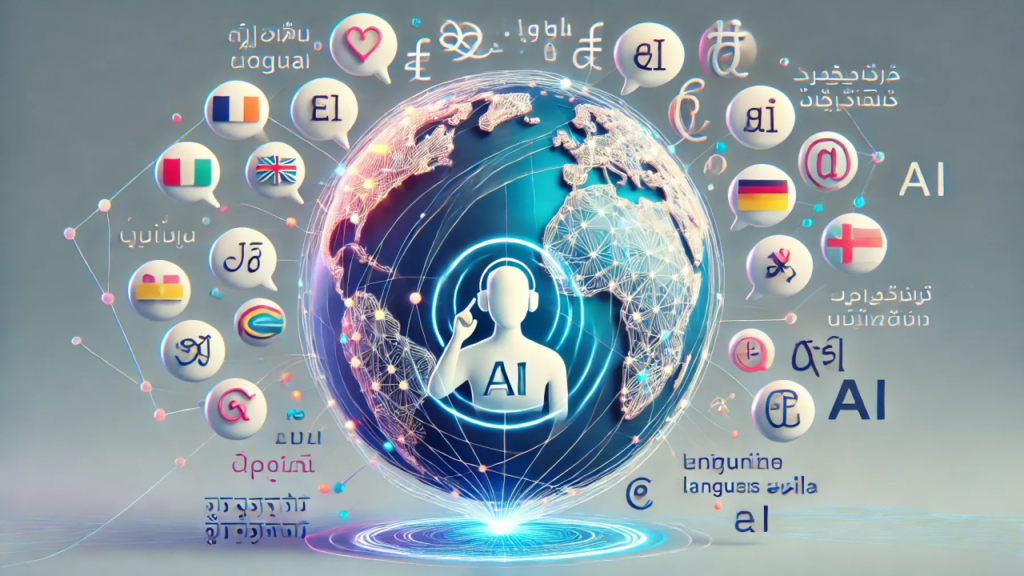
Language has always been one of the ways people connect with each other. Language shapes how we share ideas build relationships express emotions and understand cultures. For most of history language differences have acted as a wall. Separating trade routes dividing communities and making cross-border friendships or business nearly impossible without years of study or a skilled human interpreter standing between two people. Today AI translation is quietly tearing that wall down making it easier and faster than ever for a person in Tokyo to read a message from someone in Nairobi or for a traveler in Peru to ask a stranger for directions in fluent natural Spanish. All through a phone in their pocket.
How AI Translation Actually Works
From Rigid Rules to Neural Networks
AI translation tools use intelligence and machine learning to understand words, sentences and even the context behind them. Unlike translation systems. Which relied on rigid rule‑based dictionaries and often translated sentences word by word producing stiff and sometimes nonsensical results. Modern AI translation systems are built on something called neural machine translation (NMT). These AI translation systems are trained on datasets containing billions of sentence pairs across dozens of languages allowing AI translation to learn patterns the same way a person absorbs a language through years of exposure rather than by memorizing a phrasebook.
Understanding the Context
This means todays AI translation can recognize idioms adjust sentence structure to match how a native speaker would naturally phrase something and even pick up on formal versus tone. For example AI translation can now tell the difference between addressing a friend and addressing a business client in languages like Japanese or French where formality changes the actual grammar used.
Where AI Translation Shows Up Today
This technology has become deeply embedded in life showing up in websites, mobile apps, social media captions subtitling for films and videos classrooms, corporate meetings, customer service chatbots and travel apps used by millions of people every single day.
Speed, Access and Everyday Impact
The Power of Instant Translation
One of the advantages of AI translation is speed. A person can translate an amount of text. An entire document, email thread or webpage. Within seconds a task that once required hours of work from a trained human translator. This speed has practical everyday benefits that go far beyond convenience.
Read more: The Growth Of Ai Tools
Benefits for Students, Businesses and Travelers
For students AI translation can offer feedback while learning a new language correcting grammar mistakes in real time and providing example sentences that help vocabulary stick. For businesses AI translation allows companies to reach customers without needing to hire large in‑house translation teams letting even a small online shop sell products to buyers in dozens of countries with fully localized product descriptions. For travelers AI translation apps can turn a confusing situation. Like needing urgent medical help in a country where no one speaks their language. Into a manageable one using nothing more than a smartphone camera or microphone.
Leveling the Playing Field for Small Businesses
businesses in particular have benefited enormously from this shift. Where once only large corporations could afford translation services to expand into global markets AI translation tools now let a small shop owner translate their entire website respond to international customer emails and run multilingual social media campaigns in minutes often for free or at very low cost. This has effectively leveled the playing field giving small and local businesses access to markets that were previously reserved for companies with big budgets.
The Limits of Machine Understanding
Where Meaning Gets Lost
However AI translation is not perfect. It is important to understand where its limitations lie. Languages contain expressions, humor, emotion, sarcasm and deeply local meanings that can be extremely difficult for an AI translation system to understand correctly. A joke that relies on wordplay in English for instance often falls completely flat.. Becomes confusing. When translated literally into another language because the humor depended on a pun that simply does not exist elsewhere. Some AI translation results may therefore lose the meaning sound overly formal or unnatural or, in rare cases produce genuinely embarrassing or offensive outcomes when cultural context is missed entirely.
Why Human Translators Still Matter
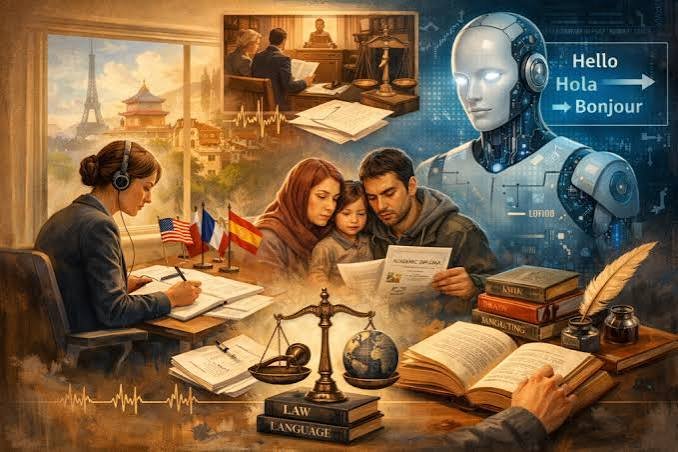
This is why human translators remain essential for legal documents, medical records, literature and diplomatic communication situations where accuracy and cultural understanding truly matter and where a single mistranslated word or clause can carry serious financial, legal or even safety consequences. Literary translation in particular is often considered one of the tasks for AI since translating a novel or poem requires preserving rhythm, emotional tone and artistic voice not just factual meaning.
An Experts Warning Mimicry vs Understanding
Cognitive scientist Gary Marcus has been one of the vocal critics of overestimating what these systems truly understand. He has argued that AI translation is, at its core, imitation rather than genuine comprehension explaining that such systems “can do that to a high degree but it is still kind of like being a parrot” reproducing patterns convincingly without grasping their deeper meaning. This distinction matters most in situations where emotional nuance, humor or cultural sensitivity can make or break communication reminding us that fluency in producing correct‑sounding sentences is not the same as understanding what those sentences mean.
What the Future Holds
The Rise of Real Time Voice Translation
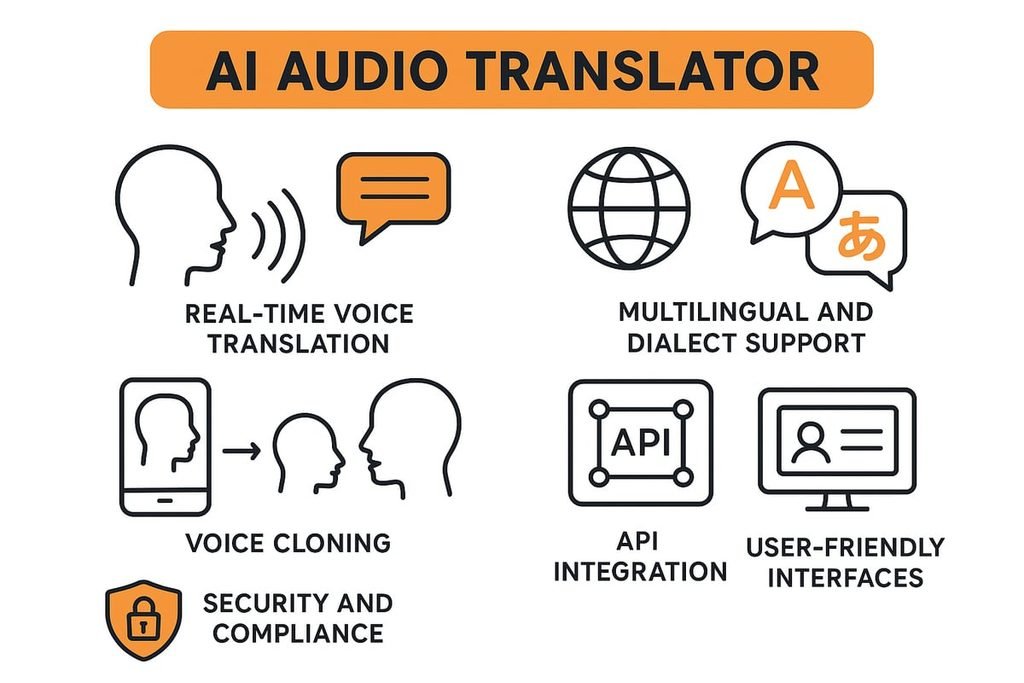
In the future AI‑powered translation is likely to become more advanced and several trends are already pointing toward what is next. Real‑time voice translation is improving rapidly with some tools capable of translating spoken conversation with only a slight delay – technology that could soon allow two strangers speaking entirely different languages to hold a smooth, natural back‑and‑forth conversation through an earpiece or app almost as if a skilled interpreter were standing invisibly between them.
Smarter Speech Recognition and Cultural Awareness
Improved speech recognition is also closing gaps for accents, dialects and background noise which have historically been weaknesses for voice‑based translation tools.. Better cultural context modeling – where AI systems are trained not just on language data but on cultural knowledge could help reduce the awkward, tone deaf translations that currently frustrate users.
AI as a Tool for Language Preservation
Beyond convenience AI is also emerging as a meaningful tool for language preservation. Around the world thousands of languages spoken by indigenous communities are at risk of disappearing entirely as younger generations shift to more dominant languages. Researchers and nonprofit organizations are increasingly using AI models to document transcribe and translate these endangered languages creating archives that might otherwise never have existed. In this sense AI is not a tool of convenience for global business it is becoming a tool of cultural preservation helping protect linguistic heritage that represents centuries of history, identity and tradition.
Conclusion
AI may not replace translators completely and it likely should not try to. Instead it can become a tool that helps people communicate, learn and share ideas across language barriers that once felt impossible to cross. The future of translation is likely to combine the speed, accessibility and scale of AI with the creativity, empathy and deep cultural understanding that only humans can provide not a replacement of one by the other. A genuine partnership, between machine efficiency and human connection working together to make the world feel a little smaller and a lot more understandable.
